
The Man I Love
Written and Directed by Kai Tan
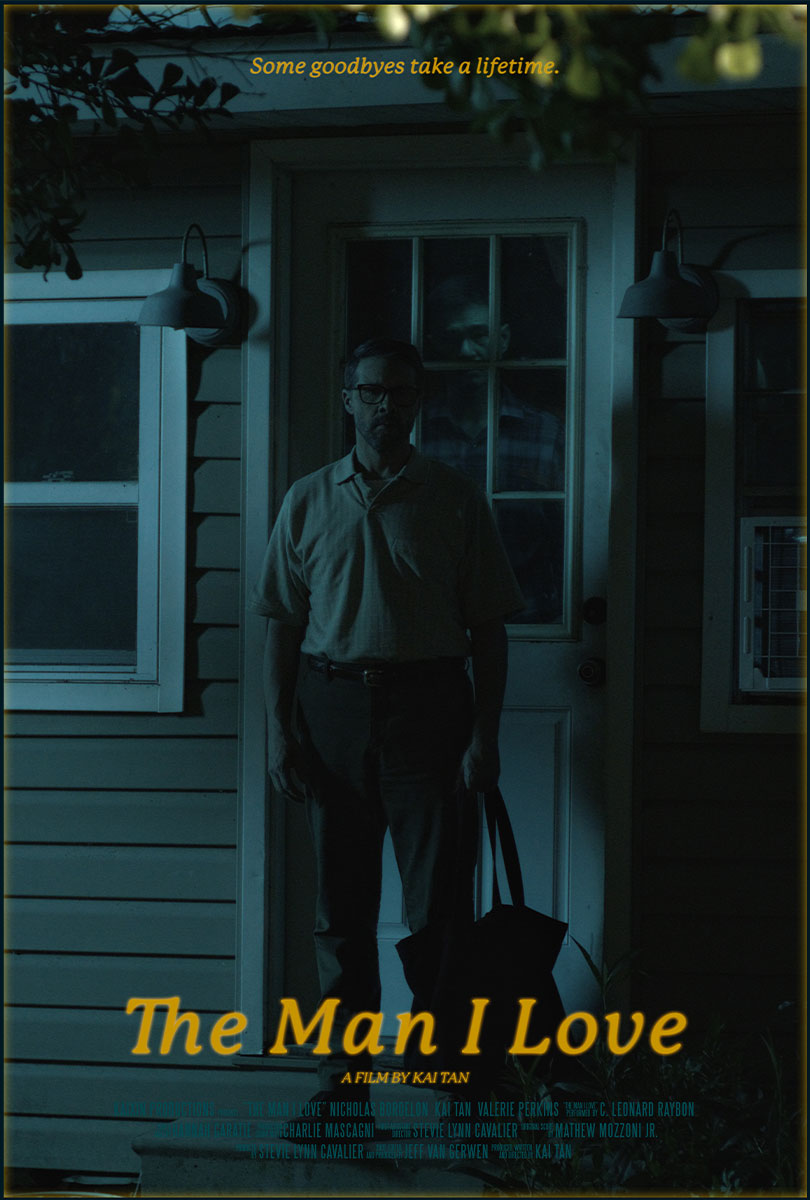
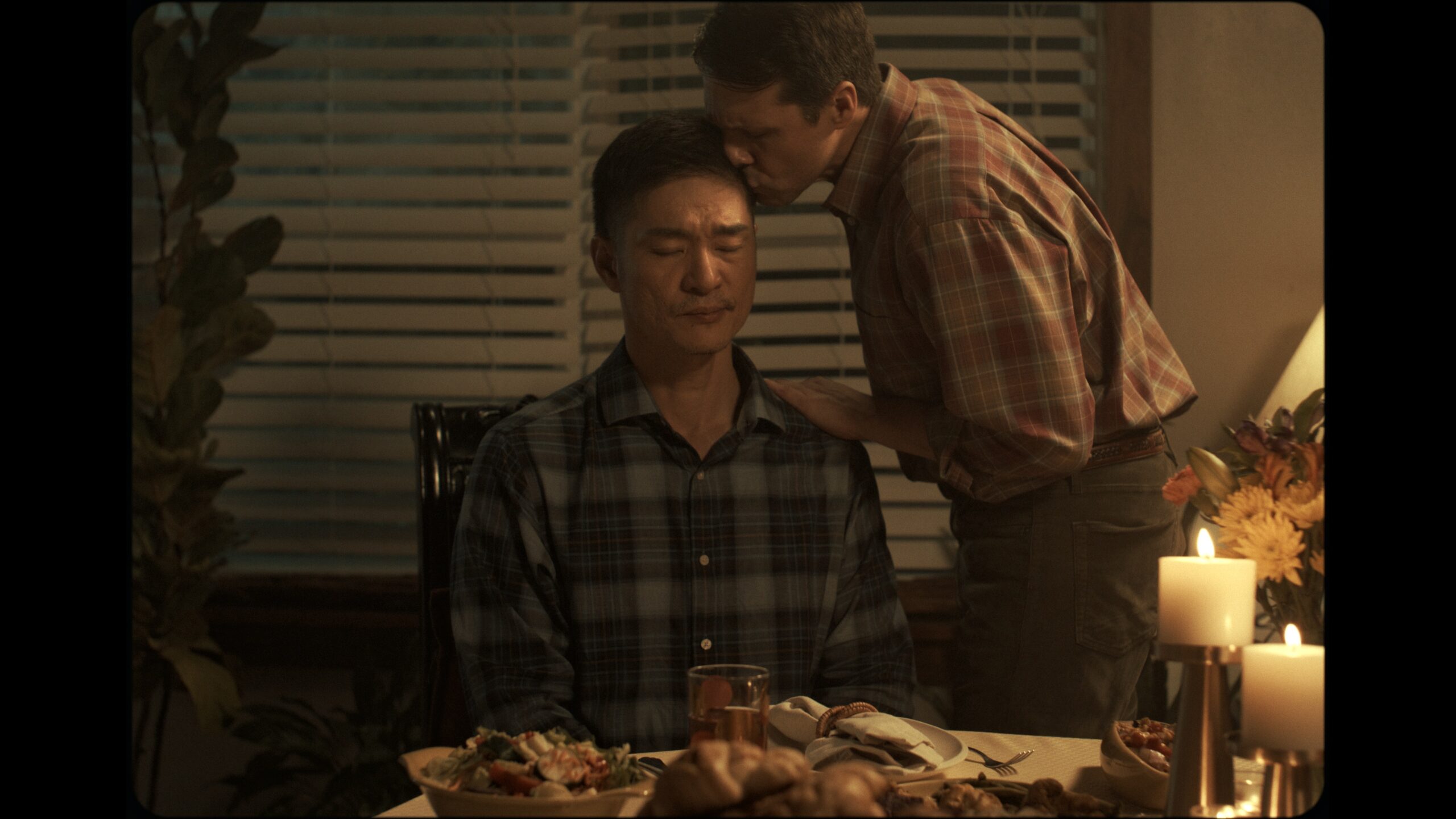
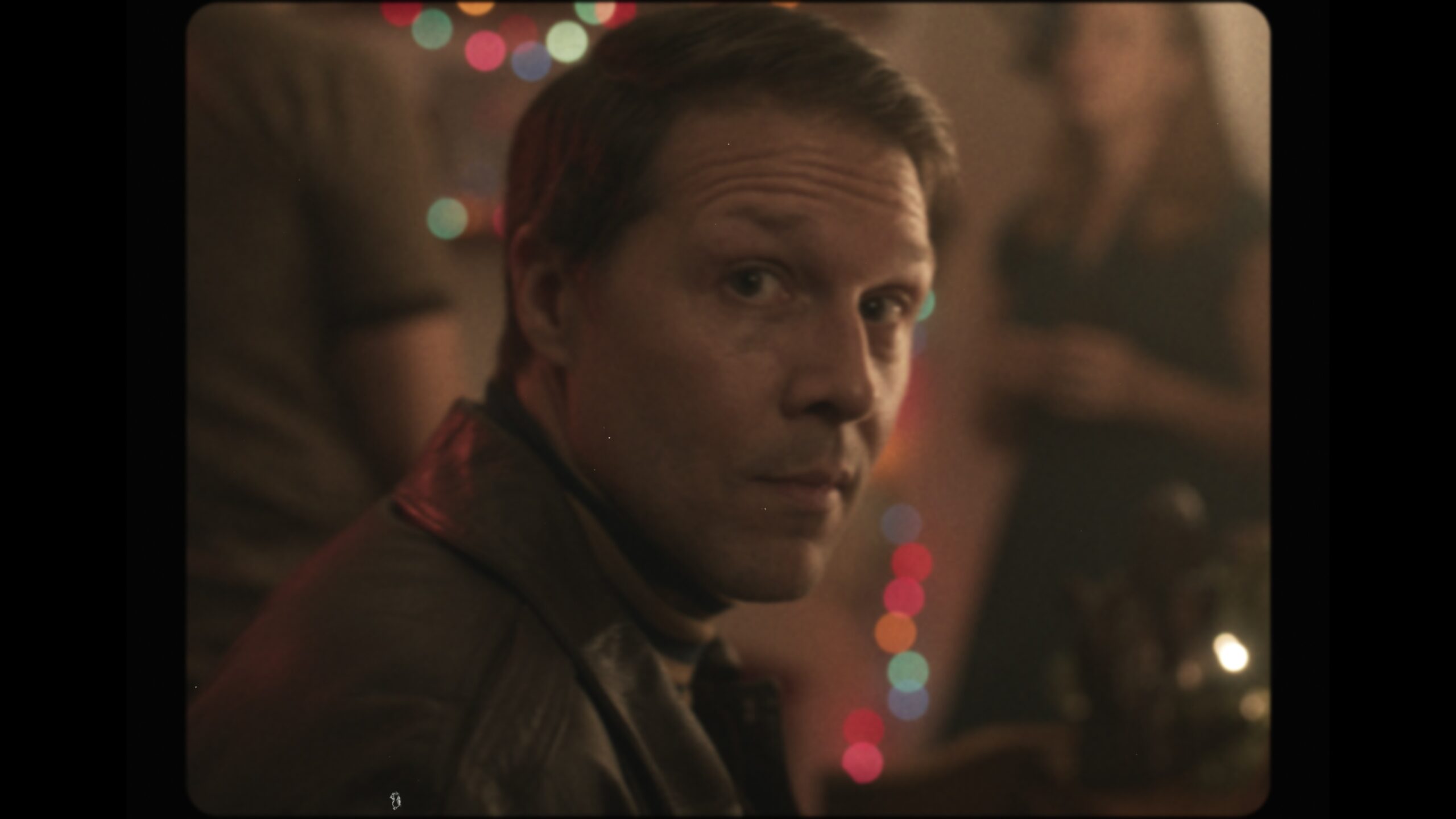
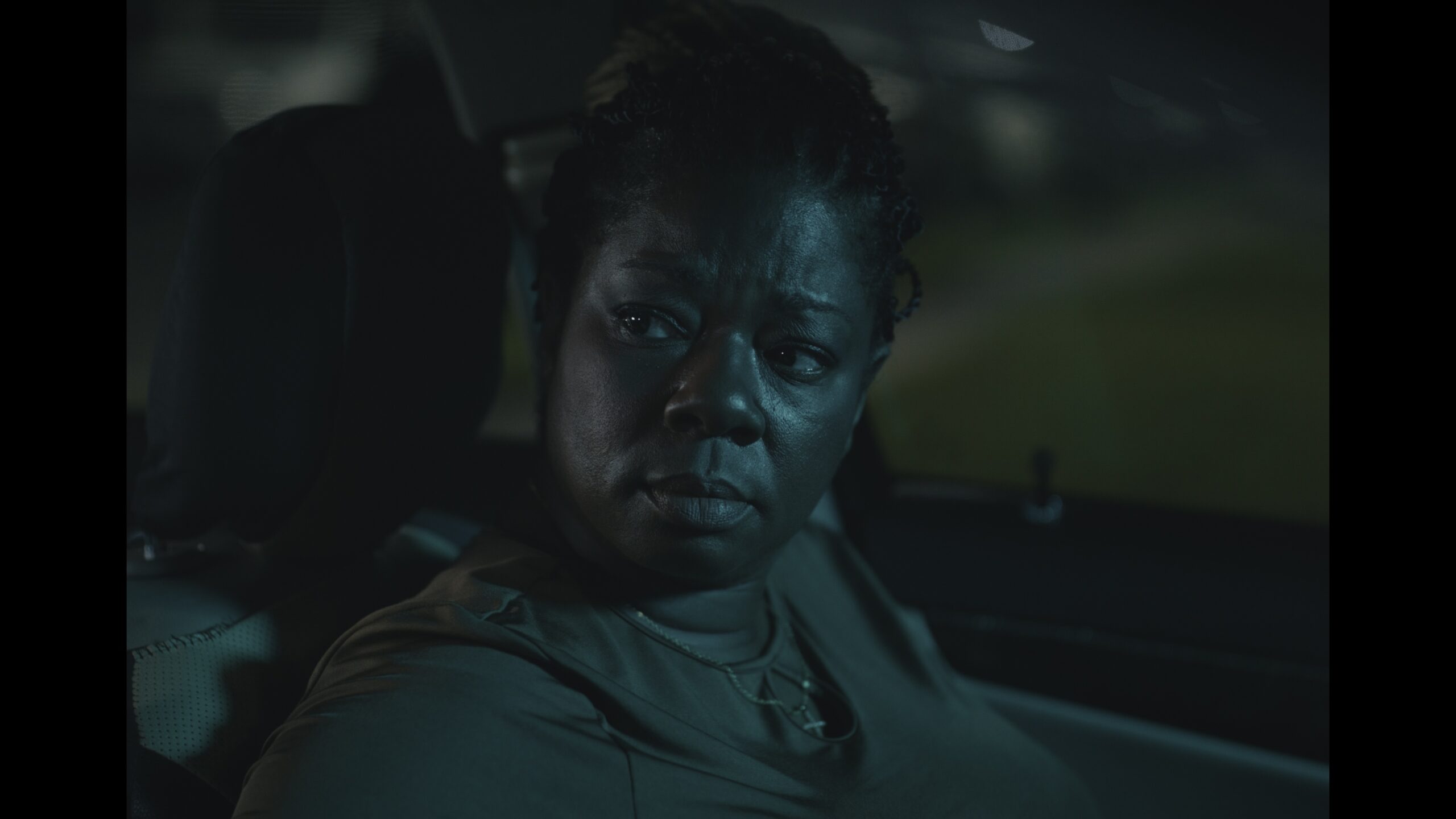
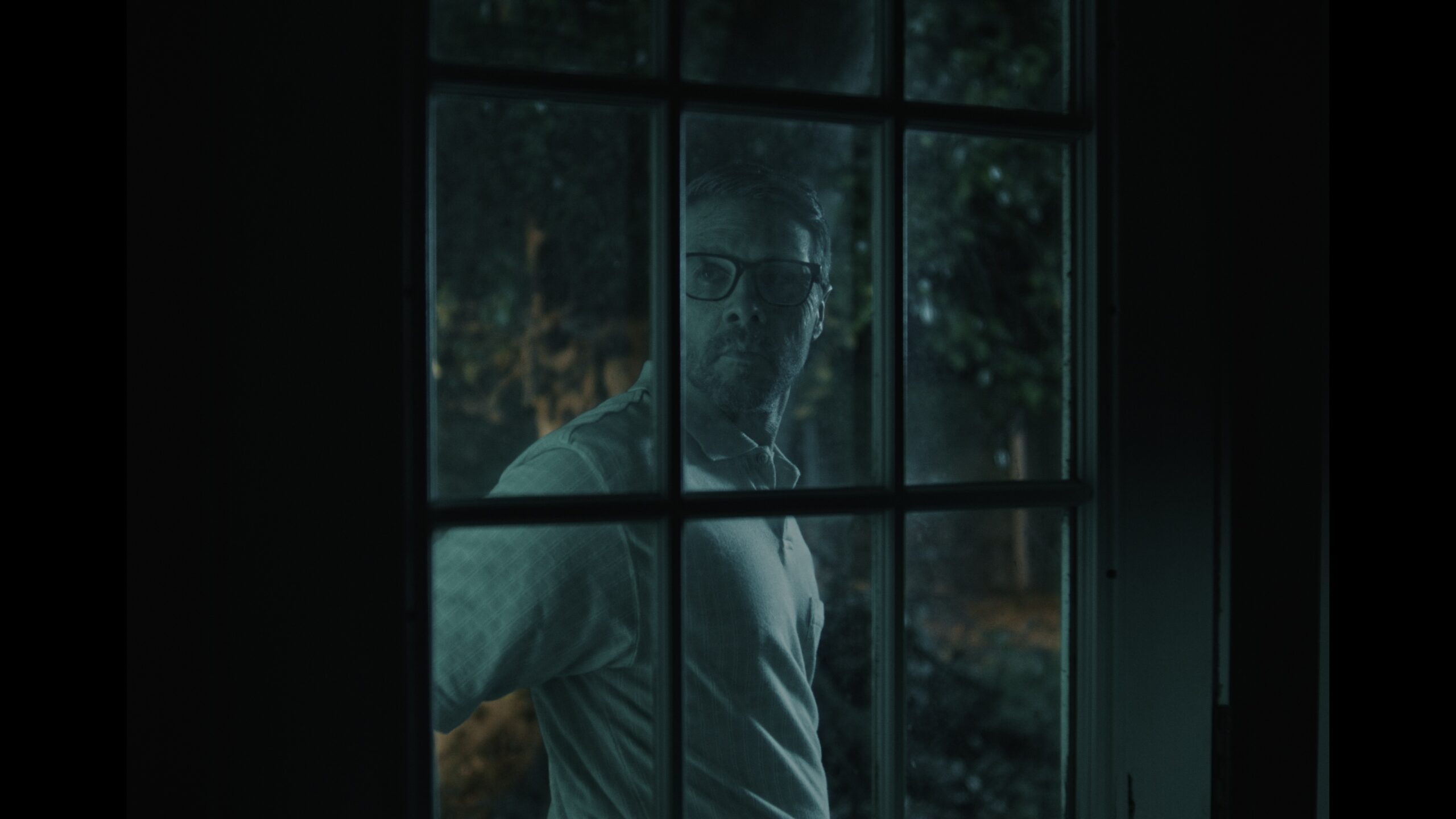
Every year, on the eve of the 1973 UpStairs Lounge fire in New Orleans that Jason survived and his lover did not, he returns to the house they once shared, where Ronald, who never left, still waits to say goodbye all over again.
Best Performance Nomination:
Produced by Jeff Van Gerwen, Kai Tan, Stevie Lynn Cavalier
Starring Nicholas Bordelon, Kai Tan, Valerie Perkins
Cinematography by Jeff Van Gerwen
Sound by Charlie Mascagni
Edited by Jeff Van Gerwen
Music by George Gershwin, Ira Gershwin, Mathew Mozzoni Jr.
About the Filmmaker
Kai Tan
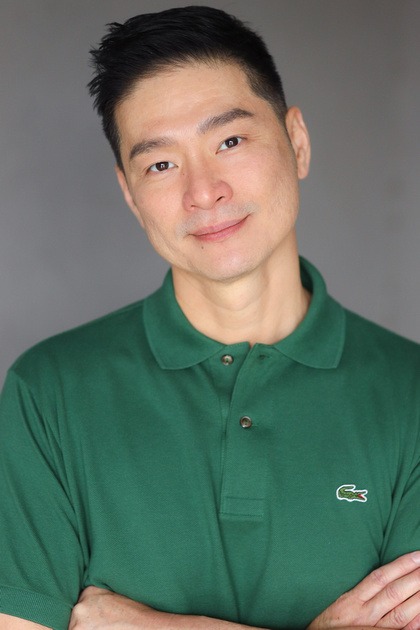
Kai Tan is a Chinese Malaysian Australian writer, director, producer and actor based in New Orleans and Malaysia. After decades in corporate finance, marketing and entrepreneurship across Sydney, London and Malaysia, he made New Orleans home and turned his love of storytelling into filmmaking, telling Asian diaspora stories that have long been overlooked or marginalised.
Through honing his craft in writing, acting, producing and directing, he has developed a voice that weaves documentary truth with artistic vision and blends social justice with folkloric horror. Drawing on his experience of living around the world, he tells stories that bridge cultures and reach a global audience. His debut short, On the Seventh Day, a social justice meditation-horror film, won the Founder’s Circle Award at the Louisiana Film Prize and continues on the international festival circuit.
Film Trailer
Filmmaker Interview
Coming Soon
Director's Statement
The Man I Love began with the men who were never claimed. On June 24, 1973, an arson attack on the UpStairs Lounge, a gay bar in New Orleans, took 32 lives. No one was ever charged. Four victims were buried unclaimed or unidentified. I thought about the hate that took them, and about the men left behind who went on loving them with nothing left to hold.
The film takes its name from a song about waiting for the man you love, building a home together, and understanding each other without needing to say a word. I wanted to weave those hopes into the life Jason and Ronald shared, telling their story with minimal dialogue. In the film, their home is still there, and Ronald is still there too, waiting.
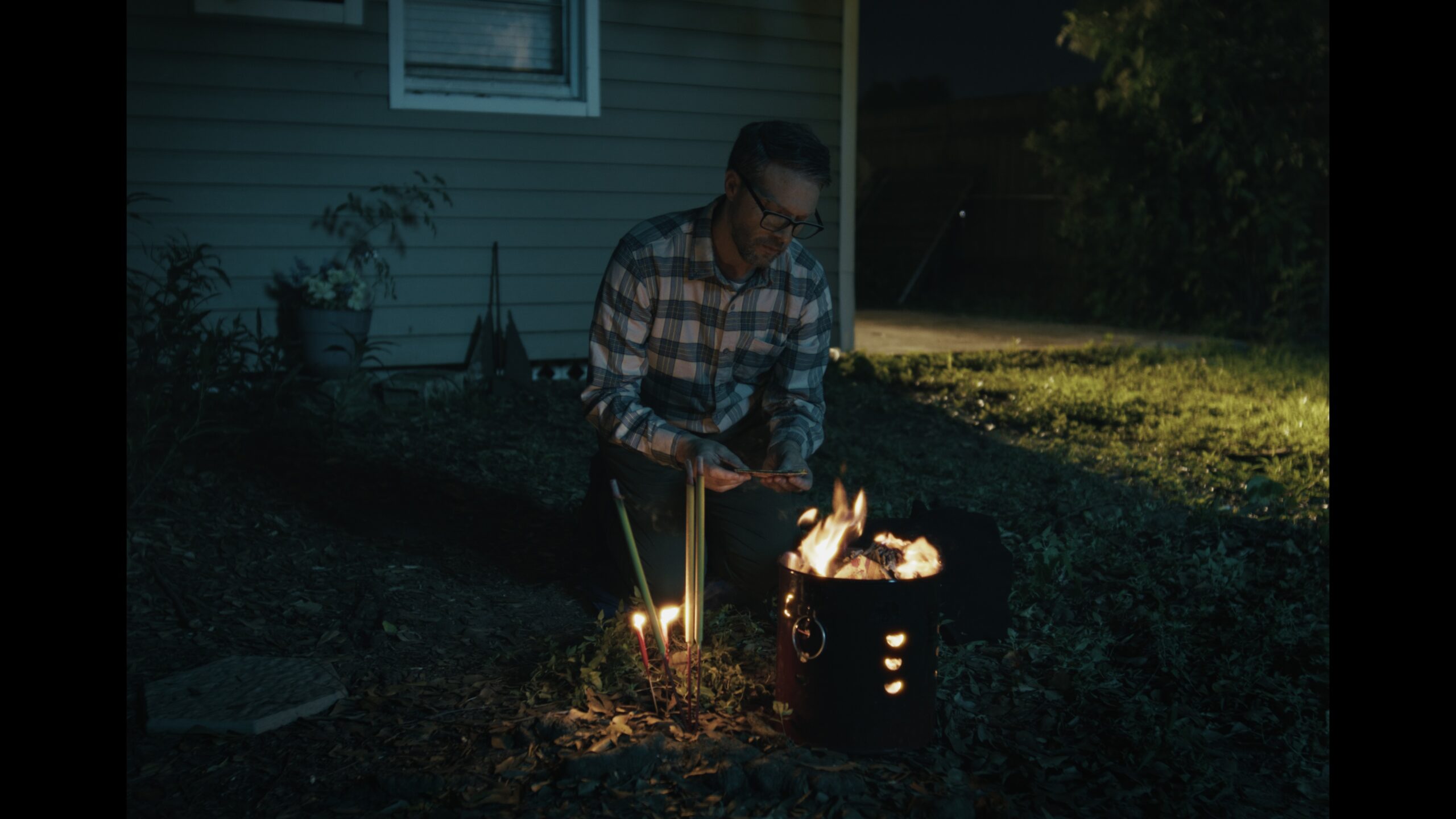
In many traditions, we continue to care for the dead through offerings and ritual. Burning joss paper and paper money becomes a way of expressing love when the person we love is no longer here to receive it. For Jason, it is also a way of honoring his partner’s heritage. We do it so the dead are not left wandering, unclaimed. This film is that offering — a home, a moment outside of time, and a person waiting for the man he loves to come home.
For Jason, that care has continued throughout his life. He grows old, but Ronald remains young, waiting in the home they shared. The clock Ronald looks at is set to 8:12 p.m., the minute the fire was put out. Jason knows what happened. He survived. Ronald did not. The song wishes for a way to make the man you love stay, but Jason knows he cannot stay too long. If he does, Ronald will remember, and relive the fire. Yet every year he returns, so that Ronald is loved and never forgotten.
We shot the film during the week of the 53rd anniversary, in June 2026, during Pride Month. The Man I Love is my act of remembrance for those lost in the UpStairs Lounge fire, and for the people who carried their memory — a queer folkloric love story about a love that outlasts a lifetime, expressed through the simple act of coming home.
— Kai Tan